Best Expense Tracking Apps in 2026: Find the Right Fit
A practical comparison of Yomio, YNAB, Monarch Money, PocketGuard, EveryDollar, Empower, and Expensify by the job each app does best.
Yomio Team
Best Expense Tracking Apps in 2026: Find the Right Fit
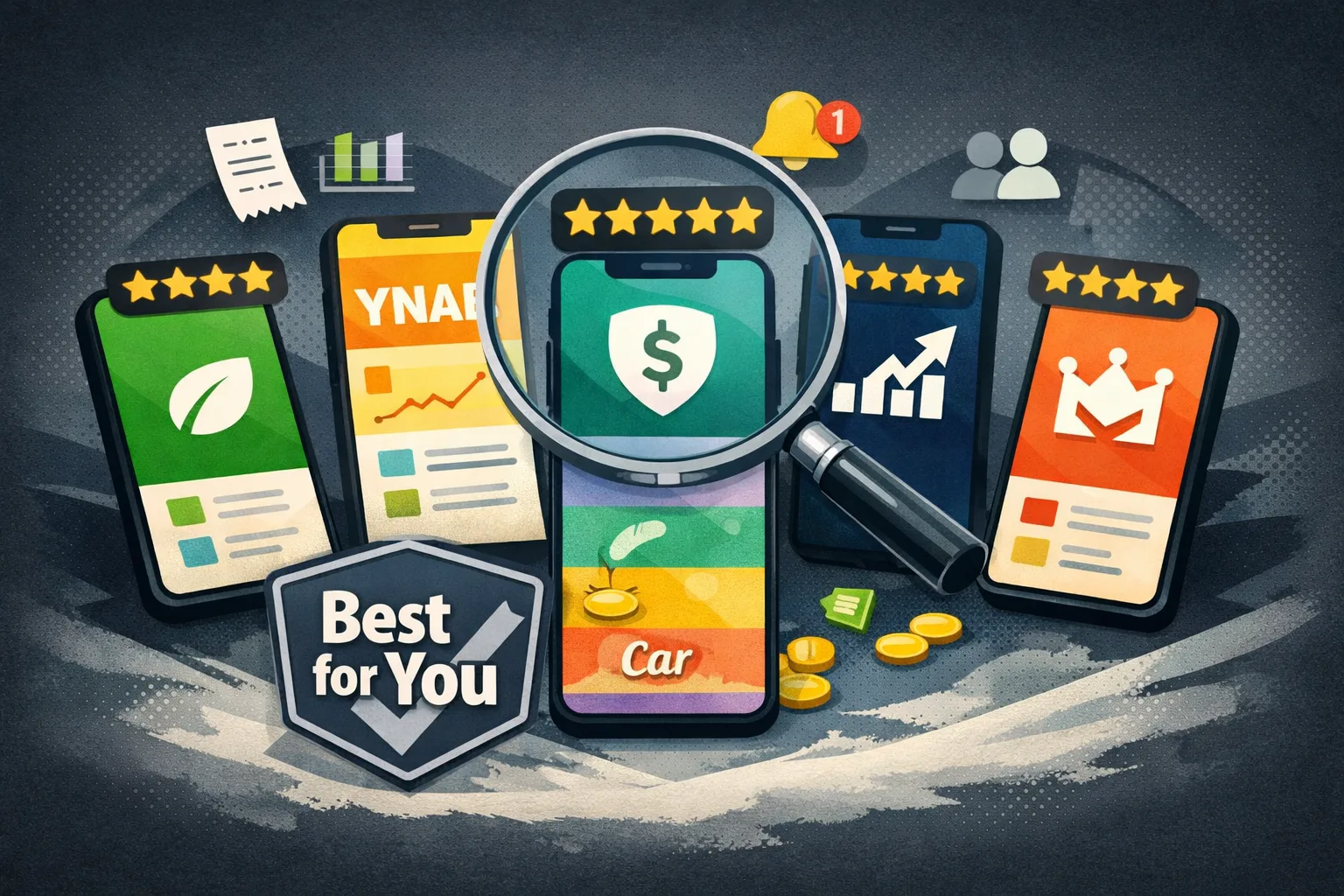
Choose an expense app by the job you need: Yomio for receipt-level purchase details, YNAB or EveryDollar for hands-on budget planning, Monarch or PocketGuard for connected-account views, Empower for a broader financial dashboard, and Expensify for expense workflows.
Some apps focus on planning a budget before spending. Others connect accounts and sort transactions after they happen. Receipt-first tools can show what was bought inside a store total. Business tools add reports, approvals, and reimbursement.
This guide compares seven established options by their main use. It is based on product features and help material reviewed on September 25, 2026, not on a controlled hands-on test. Features, plan names, and availability can change, so check the current offer in your country before subscribing.
Quick comparison
| App | Strong fit | Main tradeoff |
|---|---|---|
| Yomio | Receipt-based personal and household tracking with item-level detail | It does not connect to bank accounts |
| YNAB | Users who want to assign income to a plan before spending | Requires regular hands-on budget decisions |
| Monarch Money | Households that want budgets, account aggregation, and a shared financial view | Its central workflow depends on connected accounts and transaction records |
| PocketGuard | Users who want an account-linked view of bills, budgets, goals, and money left to spend | Receipt attachments and bank transactions serve a different purpose from item extraction |
| EveryDollar | Users who follow Ramsey’s zero-based budgeting method | Its Premium bank connection is separate from the manual-entry free version |
| Empower Personal Dashboard | Users who want spending alongside investments, net worth, and retirement planning | Its strength is the wider financial picture, not receipt item detail |
| Expensify | Individuals or teams that need receipt capture, expense records, or reimbursement workflows | Business workspaces add structure that a household budget may not need |
List the features you want to compare
Select requirements that matter to you. This checklist does not rank apps or verify vendor features.
Start with the question you want answered
Before comparing feature lists, name the question you want your app to answer.
“Can I spend this money this month?” points toward a planning-first budget. “Where did my money go?” points toward transaction tracking and reports. “What did I buy at the shop?” points toward receipt capture with line-item extraction. “Which purchase should my employer reimburse?” points toward expense-report software.
These are related jobs, but they are not identical. A bank transaction can show a merchant and total. A receipt can show products, quantities, discounts, and taxes. A budget can set a limit before either record exists. A report can group records later.
The Consumer Financial Protection Bureau recommends reviewing real spending and receipts before setting a realistic budget. Its spending assessment guide suggests looking across several months so less frequent costs do not disappear from the plan. Research about household expenditure measurement also explains why recall period and level of detail affect the records people report. The National Bureau of Economic Research review is about survey measurement, not app testing, but it is a useful reminder that “more data” only helps when the record is clear and usable.
How the main options differ
Yomio: item-level receipt and household spending
Yomio starts with receipts. Scan or upload a receipt, review the extracted purchase details, and correct the record when needed. The product is designed to preserve the items inside a transaction so category views and analytics can answer more specific questions than a merchant total alone.
It also includes category budgets, recurring entries, spending analytics, CSV and PDF exports, and Yopilot, an AI assistant for questions about recorded purchases. Family Groups let households share spending views. Yomio has native iOS and Android apps and a companion web app.
Yomio does not import transactions from bank accounts. That is a clear tradeoff: receipt capture can add detail that a card statement does not contain, while the user must bring in spending records through receipts and supported manual entry. Choose it when the detail inside purchases matters more than automatic account aggregation.
YNAB: give each dollar a job
YNAB is built around zero-based budgeting. Users decide where available income should go, then adjust the plan as spending changes. Its bank import can bring transactions into that plan, and subscription sharing supports a household.
This approach can suit people who want a deliberate plan and are willing to review it often. It may feel like extra work if your first need is to collect purchase history or understand receipt contents. Choose YNAB for the budgeting method; choose a receipt-first tool when purchase-level context is your priority.
Monarch Money: a shared view of connected finances
Monarch combines connected accounts, transactions, budgets, goals, reports, and investment tracking in one household-oriented product. It supports web, iOS, and Android access and lets users collaborate with others.
That breadth can reduce switching between financial dashboards. The comparison to a receipt-first app is mainly about data depth: account transactions help show where money moved, while receipt records can show the individual items in a store purchase. Choose Monarch when the consolidated financial picture and collaboration are central to your routine.
PocketGuard: bills, budgets, and money left to spend
PocketGuard brings connected accounts together with bills, category budgets, goals, and a “leftover” view. Its Plus plan also supports receipt attachments to transactions.
An attached receipt can keep a record with a transaction. Item-level receipt extraction goes further by turning receipt lines into separate purchase data. Choose PocketGuard if account connections and cash-flow guardrails are what you need. Choose Yomio if you want to review what was bought inside the receipt.
EveryDollar: a zero-based plan tied to a financial method
EveryDollar helps users create a monthly zero-based budget. The free version supports manual transaction entry, while Premium adds bank connection and other planning features. Its guidance is closely connected to Ramsey’s financial teaching and Baby Steps.
That can be a good fit when the budgeting method is part of the reason you want an app. If you want a neutral record of household purchases first, compare the amount of manual planning you are ready to maintain with a receipt-first workflow.
Empower Personal Dashboard: spending plus investing
Empower’s free dashboard brings spending and budgeting together with investment, net worth, and retirement-planning tools. It is designed for people who want one place to review a broader financial picture.
That makes it a different choice from a receipt-focused tracker. Use it when portfolio and retirement context matter as much as monthly expenses. Use a receipt scanner when merchant-level totals leave questions about what the household bought.
Expensify: receipt records and expense workflows
Expensify offers free receipt scanning and expense tracking for individuals. Paid workspaces add business functions such as reimbursements, corporate card management, and integrations.
This is a broader option than older comparisons often suggested. An individual can use it to collect receipts and expenses, while a team can use its review and reimbursement flow. Choose it when exporting or submitting expense records is the main task. For ongoing household budgets, shared family spending, and item-level purchase analysis, compare the workflow carefully before adopting business expense software.
A simple way to choose
Pick the app that matches your main friction:
- Choose Yomio if you want receipt details, editable item records, household sharing, analytics, and AI questions about your spending.
- Choose YNAB or EveryDollar if assigning income to a budget is the habit you want to build.
- Choose Monarch or PocketGuard if connected accounts and automatic transaction feeds matter most.
- Choose Empower if investment and retirement views are part of the same review.
- Choose Expensify if you need receipt capture that can lead into expense reports or reimbursements.
Then test the app with a normal week, not an idealized month. Include cash purchases, returns, shared groceries, recurring bills, and one receipt that needs correction. Check whether those records are easy to fix and easy to find later.
Look beyond the feature checklist
A feature matters only if it supports a repeatable routine. If scanning every paper receipt feels unrealistic, see how the app handles digital receipts and manual entries. If a plan relies on bank connections, check whether your institutions and accounts are supported. If you share costs, check who can see records and whether the product separates personal purchases from group expenses. If you need records for work or taxes, confirm which exports are accepted by your accountant; an expense app is not accounting advice.
Also compare total cost after any trial. Annual billing, app-store pricing, household access, and country availability can differ. Treat current pricing pages as the source of truth instead of relying on a comparison article’s saved price.
See what each receipt adds up to
Yomio turns receipt lines into editable purchase records, then connects them to household budgets, analytics, and Yopilot. Start free.
Explore YomioFrequently asked questions
Which expense app is best for receipts?
Yomio is designed around item-level household receipt records. Expensify is a strong option when receipt scans need to feed expense tracking or business reimbursement. The best choice depends on whether you need product detail, a transaction attachment, or a report workflow.
Which app is best if I do not want to connect my bank?
Yomio does not require a bank connection. You can build purchase history from scanned receipts and supported manual entries. Other apps may offer manual options too, but bank import is central to several of the products in this comparison.
Can I use more than one app?
Yes. Some households use an account aggregator for bills and balances and a receipt tracker for purchase detail. If you do, decide which app owns each record so you do not double-count the same expense.
Do I need a budget app or an expense tracker?
A budget app helps you plan how to use money. An expense tracker helps you record what happened. Many products do both, but their emphasis differs. The CFPB’s budgeting guide recommends starting with actual income, bills, and spending so the budget reflects your situation.