Buy Now, Pay Later: Check the Full Cost Before You Use It
Review every installment, fee, due date, and return condition before using a buy now, pay later plan.

Yulia Lit
Consumer Finance Writer
Buy Now, Pay Later: Check the Full Cost Before You Use It
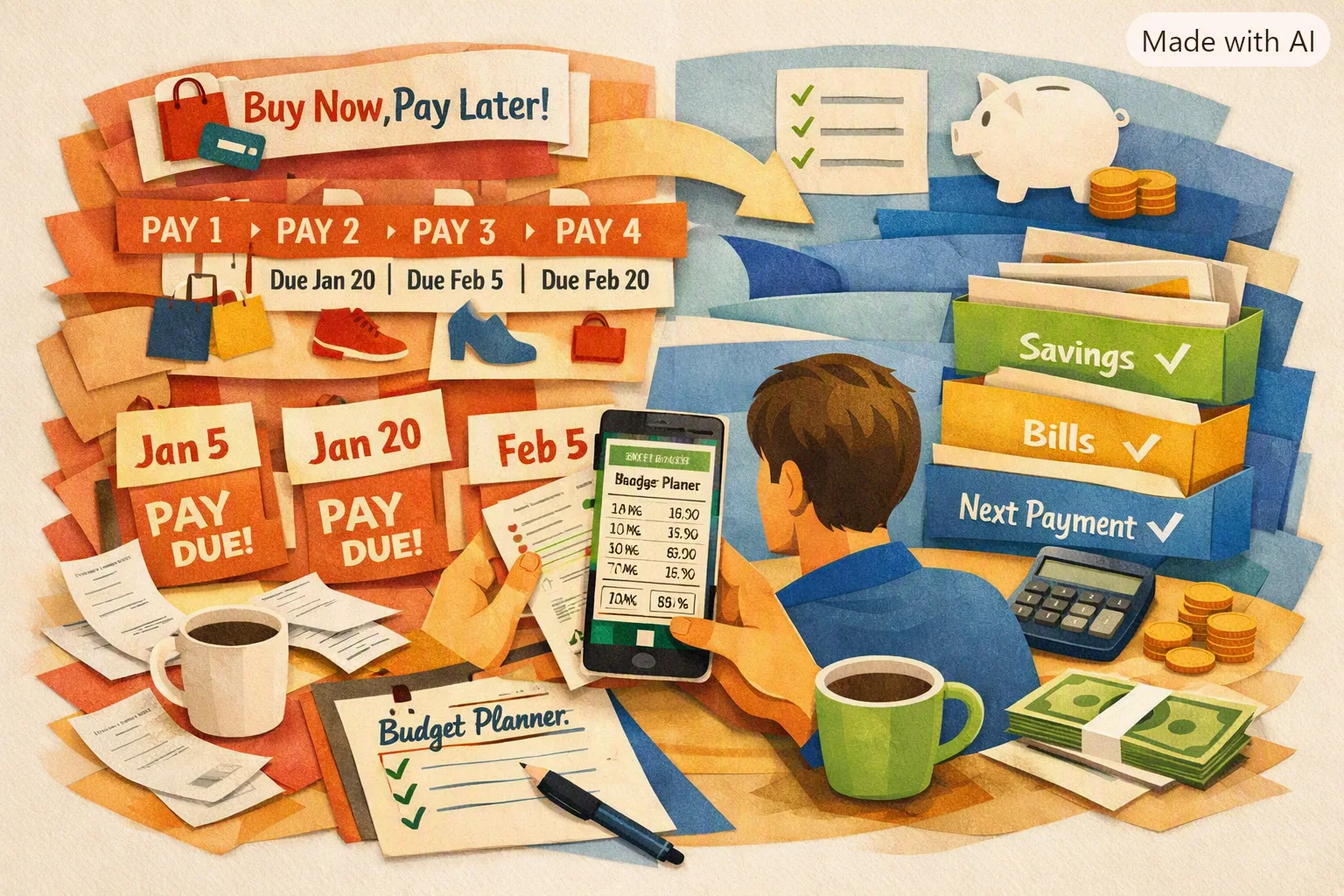
Before accepting a buy now, pay later offer, check the total repayment amount, each due date, possible fees, return process, and how missed payments may be handled. Then decide whether the schedule fits your budget alongside existing obligations.
Buy now, pay later (BNPL) plans let a buyer receive a product or service and repay over time. Terms differ by provider and plan, so do not assume that every offer is interest-free, has the same payment schedule, or affects credit in the same way. The Consumer Financial Protection Bureau describes common BNPL arrangements and advises consumers to read the specific loan terms.
Review an offer before checkout
Write down the following before you agree:
- Total amount due: Compare the amount paid over time with the item’s price.
- Payment dates: Add each installment to a calendar you already use.
- Fees and interest: Read the plan terms for late, returned-payment, or other charges.
- Payment method: Confirm which card or account will be charged and whether automatic payments are enabled.
- Returns and disputes: Check how a return, cancellation, or disputed purchase affects the plan.
- Credit reporting: Read the provider’s terms to see whether it may check or report credit information.
The Federal Trade Commission gives similar consumer guidance: check costs, missed-payment consequences, and plan terms before using BNPL.
spendingBehaviorQuiz.title
spendingBehaviorQuiz.description
Count all upcoming payments
An installment can look small when considered alone. Add it to the other payments due before your next income arrives, including existing BNPL plans, rent, utilities, debt payments, and essentials. Use the total schedule to decide whether the purchase is affordable, rather than the first payment alone.
If the plan depends on using future credit or taking another installment loan to make a scheduled payment, pause and consider another option. For help with a specific account or missed payment, contact the provider and review the contract.
bnplTrapDetector.title
bnplTrapDetector.description
Keep a record of the agreement
Save the checkout terms, payment schedule, confirmation, receipts, and messages about returns or disputes. After each payment, check the provider’s account and your payment statement. Keep a list of active plans so you can see the total due across providers.
Yomio can help record receipt-based expenses, but it does not connect to BNPL providers, track installment schedules, or alert you to upcoming payments. Use your lender’s tools or a calendar for due dates.
Warning
Each plan has its own amount and due dates. List the remaining payments from every provider and compare them with the same pay periods, so overlapping installments do not disappear from view.
Information
Checkout design can make it easy to focus on an installment instead of the full purchase price. Before accepting a plan, check the total cost, payment dates, fees, and return terms shown by the provider.
Warning
Several small installments can overlap with bills and other plans. Add the actual remaining balance and due dates for each purchase rather than estimating from a typical payment size.
Success
For a nonessential purchase, wait if you can. Use the time to check the total price, repayment schedule, and return window, then decide whether the purchase still fits your plan.
Keep purchase receipts organized
Yomio can capture and review receipt-based expense records. Use your provider or calendar for installment schedules and payment status.
Explore expense trackingRelated reading
Subscription Fatigue: Finding and Cancelling Hidden Charges
Like BNPL, subscriptions create invisible recurring costs that quietly drain your budget.
Impulse Spending: A System Design, Not a Personal Flaw
How retailers engineer the urge to buy — and the behavioral systems that fight back.
Last reviewed: September 27, 2026.